By Makis Nikolopoulos | Professional Bouzouki Player & Luthier | BouzoukiSpace, New York
Buying a Greek bouzouki is an exciting decision, whether you’re discovering the instrument for the first time or looking to upgrade to a professional handmade instrument.
But not all bouzouki are created equal.
Two instruments may look nearly identical, yet sound and feel completely different. The quality of the wood, construction, setup, and craftsmanship all play an important role in how an instrument performs.
As a professional bouzouki player and instrument maker with over 40 years of musical experience, I’ve learned that choosing the right bouzouki is about much more than appearance or price.
Whether you’re searching for a traditional trichordo, a modern tetrachordo, or a custom-built professional instrument, this guide will help you understand what really matters before making your decision.
1. Trichordo or Tetrachordo: Which Bouzouki Is Right for You?
The first major decision is whether you want a trichordo or a tetrachordo bouzouki.
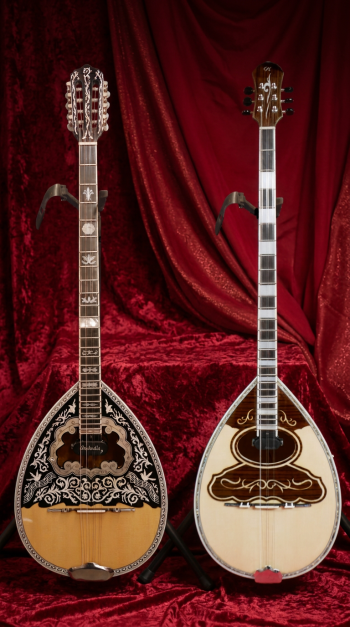
Trichordo Bouzouki (6 Strings)
The traditional trichordo has three courses of paired strings, typically tuned D–A–D.
It is strongly associated with rebetiko and traditional Greek music. Its distinctive sound, tuning, and playing approach make it especially appealing to musicians who appreciate the older Greek bouzouki tradition.
Tetrachordo Bouzouki (8 Strings)
The tetrachordo has four courses of paired strings, commonly tuned C–F–A–D.
It offers an extended musical range and is widely used in modern Greek popular and folk music. The additional course provides different chord shapes, melodic patterns, and harmonic possibilities.
| Feature | Trichordo (6 Strings) | Tetrachordo (8 Strings) |
|---|---|---|
| Standard tuning | D–A–D | C–F–A–D |
| Musical character | Traditional, closely associated with rebetiko | Common in modern Greek music |
| String courses | 3 | 4 |
| Musical range | More focused | Extended |
| Often preferred for | Rebetiko and traditional repertoire | Modern Greek repertoire and broader harmonic possibilities |
My advice: Choose the instrument that best matches the music you want to play. Neither is automatically better than the other. Both have their own musical identity.
2. The Soundboard: The Heart of the Bouzouki

The soundboard is one of the most important components of an acoustic bouzouki.
Its material, thickness, stiffness, and internal bracing strongly influence the instrument’s response, projection, and tonal character.
Spruce is one of the most widely used woods for professional bouzouki soundboards.
At BouzoukiSpace, I work primarily with carefully selected spruce, including German spruce and selected North American varieties.
A well-made soundboard should respond naturally to the player’s touch, producing clear notes, balanced projection, and musical expression.
However, the name of the wood alone does not guarantee a great instrument.
The way the soundboard is prepared, graduated, and braced matters just as much as the material itself.
Two bouzouki made with the same species of spruce can have noticeably different voices because of how they are constructed.
3. The Bowl: Construction, Materials, and Character
The rounded wooden bowl is one of the defining features of the Greek bouzouki.
Traditional handmade bowls are constructed from individually shaped wooden staves that are carefully fitted and assembled.
Common materials include walnut, maple, and combinations of contrasting hardwoods.
At my workshop, I particularly enjoy working with walnut and figured maple, both for their natural beauty and their suitability for handcrafted instruments.
A carefully constructed bowl should be structurally sound, stable, and comfortable to hold.
Beautiful wood grain and elaborate decoration can make an instrument visually impressive, but appearance should never be the only consideration.
A more expensive or highly decorated bowl does not automatically produce a better sound.
My advice: Judge the complete instrument, not just the wood species, appearance, or number of staves.
4. Neck, Fingerboard, and Playing Comfort
A bouzouki can have a beautiful sound and still be difficult to play if the neck and setup are not properly executed.
When evaluating an instrument, pay attention to the following:
Neck profile: It should feel comfortable and natural in your hand.
String action: The strings should be comfortable to press without excessive buzzing.
Fretwork: Frets should be accurately installed, leveled, and finished.
Intonation: Notes should remain accurate throughout the fingerboard.
Overall balance: The instrument should feel comfortable whether you’re sitting or standing.
At BouzoukiSpace, I use ebony fingerboards and carefully constructed necks designed for stability and playability.
As a working musician, I consider the final setup just as important as the construction itself.
An instrument should encourage you to play, not make you struggle.
5. Handmade vs. Factory-Made Bouzouki
One of the most common questions buyers ask is whether they should choose a handmade or factory-made bouzouki.
The answer depends on their budget, musical needs, and expectations.
Factory-Made Bouzouki
Factory-made instruments are often produced using standardized designs and manufacturing processes.
They can offer good value, consistent specifications, and an accessible starting point for beginners or players working within a limited budget.
Some factory-made instruments are well constructed and perform very well.
Handmade Bouzouki
A professionally handmade bouzouki is built with individual attention throughout the construction process.
The maker can evaluate each piece of wood, adjust the soundboard and bracing, refine the neck and setup, and make decisions based on the characteristics of the individual instrument.
Handmade construction also offers opportunities for customization, including wood selection, decorative details, neck preferences, and other specifications.
However, handmade does not automatically mean better sound, better materials, or superior playability.
An excellent factory-made instrument can outperform a poorly constructed handmade one.
What matters most is the skill of the builder, the quality of the construction, and the performance of the finished instrument.
My perspective: The greatest advantage of working directly with an experienced luthier is the individual attention given to your instrument and the opportunity to discuss your musical preferences with the person building it.
6. Listen Carefully Before You Buy
Sound is personal.
Some players prefer a bright, cutting tone with strong attack. Others look for warmth, depth, and a more rounded character.
When evaluating a bouzouki, listen for:
Clear individual notes
Balanced response across the strings
Good sustain and projection
Natural dynamic response
Consistent tone throughout the fingerboard
Comfortable response during both soft and powerful playing
A good instrument should respond musically to different playing techniques rather than producing the same character at every volume.
If possible, listen to the instrument played both softly and strongly.
Video recordings can be helpful, but microphones, room acoustics, recording equipment, and audio processing can all influence what you hear.
Whenever possible, evaluate the instrument in person or ask the maker detailed questions about its sound and setup.
My advice: Don’t judge a bouzouki only by how loud or bright it sounds. Listen for balance, clarity, responsiveness, and the musical character that suits your playing style.
7. How Much Should a Good Greek Bouzouki Cost?
Greek bouzouki prices vary considerably depending on construction, materials, workmanship, decoration, and the experience of the maker.
Factory-made and entry-level imported instruments generally occupy a lower price range.
Individually handcrafted professional instruments typically cost more because of the time, specialized skills, and detailed work involved.
Handmade Bouzouki Prices at BouzoukiSpace
At BouzoukiSpace, handmade Greek bouzoukis start at $2,000 and go up, depending on the type of instrument, materials, decorative details, and custom specifications.
As a general guide:
Trichordo Bouzouki: Starting at $2,000
Tetrachordo Bouzouki: Starting at $2,500
Custom Builds: Pricing varies according to the requested specifications and level of detail.
These are BouzoukiSpace starting prices, not fixed prices or universal pricing standards for the entire bouzouki market.
A professionally built instrument represents not only the cost of its materials but also the time, skill, and experience required to make it.
Rather than focusing exclusively on price, consider the instrument’s sound, comfort, construction quality, and long-term suitability.
A well-chosen bouzouki can become a musical companion for many years.
8. Buying a Bouzouki Online: What to Ask the Maker
If you’re buying a handmade Greek bouzouki online, clear communication with the builder is especially important.
Before placing an order, ask about:
The materials used for the soundboard, bowl, neck, and fingerboard
Scale length and playing setup
Available customization options
Estimated construction time
Payment terms and deposit requirements
Shipping arrangements and case options
Final testing and quality control
A reputable maker should be able to explain the instrument clearly and discuss your musical needs.
At BouzoukiSpace, every instrument is built individually, and I personally evaluate its sound and playability before it leaves my workshop.
Buying online doesn’t have to mean buying without understanding what you’re getting.
Good communication, clear specifications, and realistic expectations are essential.
9. Why Buying Directly From a Bouzouki Maker Matters
Buying directly from a luthier allows you to understand who is building your instrument and how it is made.
Instead of choosing only from a catalog, you can discuss the type of bouzouki you want, the sound you prefer, and the details that matter most to you.
In my workshop in Astoria, New York, I build Greek bouzouki with an emphasis on musical performance, traditional character, and careful craftsmanship.
Every instrument reflects my experience on both sides of the workbench — as a builder and as a professional musician.
For me, building a bouzouki is not simply about creating an attractive instrument. It’s about making something that feels natural in a musician’s hands and responds to the way they play.
Frequently Asked Questions About Buying a Greek Bouzouki
What is the main difference between a trichordo and a tetrachordo bouzouki?
The trichordo has six strings arranged in three paired courses, commonly tuned D–A–D. The tetrachordo has eight strings arranged in four paired courses, commonly tuned C–F–A–D. Both are used in Greek music, but they offer different tunings, ranges, and playing approaches.
How much does a handmade Greek bouzouki cost?
Prices vary depending on the maker, materials, construction, and decoration. At BouzoukiSpace, handmade Greek bouzouki start at $2,000, with tetrachordo models generally starting at $2,500. Custom specifications may increase the final price.
Is a handmade bouzouki worth the extra money?
It can be, especially if you value individual craftsmanship, personalized specifications, and direct communication with the builder. However, quality depends on the individual instrument, not simply whether it was made by hand or in a factory.
Can I buy a high-quality bouzouki online?
Yes. Look for a reputable maker who provides detailed information, clear photographs, sound demonstrations when available, and straightforward communication about construction, pricing, and delivery.
What should I ask a bouzouki maker before ordering?
Ask about the materials, scale length, setup preferences, construction time, payment terms, shipping, and how the instrument is tested before delivery.
Should I choose a trichordo or tetrachordo as a beginner?
Start with the music you want to learn. If you’re particularly interested in traditional rebetiko, a trichordo may be a natural choice. If your interests lean toward modern Greek repertoire, a tetrachordo may be more suitable. Both require practice, and neither is universally the better beginner instrument.
Final Thoughts: Choose the Bouzouki That Inspires You
The best Greek bouzouki is not necessarily the most expensive or the most elaborately decorated.
It’s the instrument that feels comfortable in your hands, responds naturally to your playing, and gives you the sound you want to hear.
Take your time, listen carefully, ask questions, and choose a maker whose craftsmanship and musical understanding you trust.
A great bouzouki should inspire you every time you pick it up.
Looking for a Handmade Greek Bouzouki?
At BouzoukiSpace, I build trichordo and tetrachordo Greek bouzoukis individually in my workshop in Astoria, New York.
Whether you’re searching for your first quality instrument or commissioning a professional custom build, you’re welcome to contact me to discuss your musical preferences and the instrument you have in mind.
Explore Handmade Bouzoukis | Contact the Workshop
Makis Nikolopoulos
Professional Bouzouki Player & Luthier
BouzoukiSpace — Astoria, New York